
How to Plan Landscaping Services in Bowie, MD, Around Drainage and Yard Use
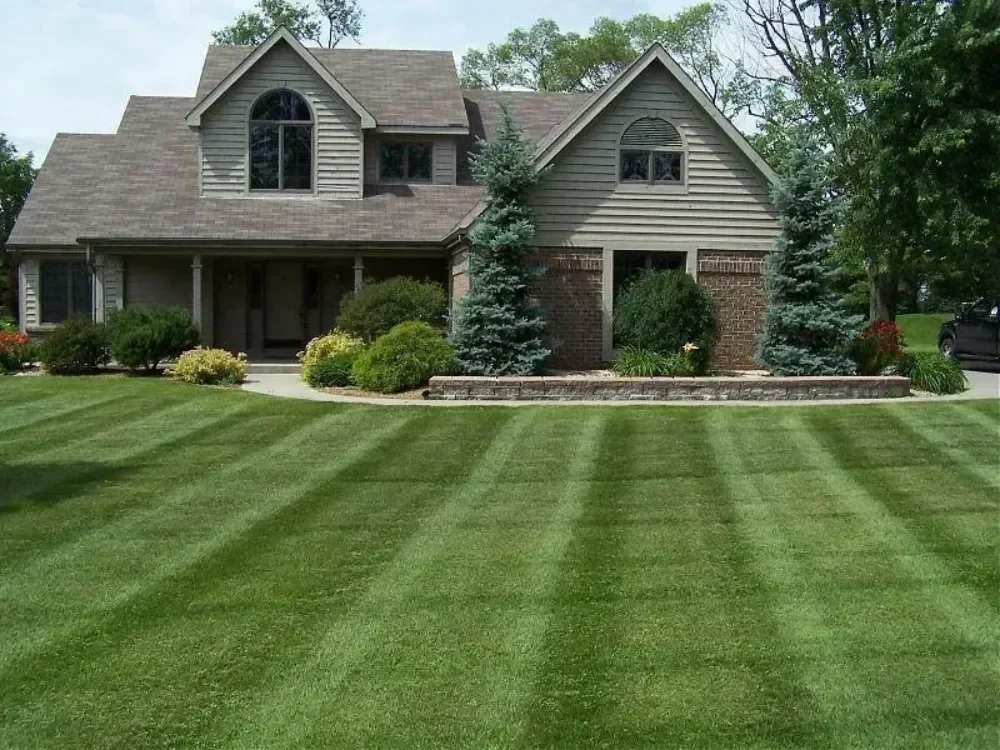
A yard should support daily life, not become unusable after storms. When planning landscaping services in Bowie, homeowners need to consider where rainwater collects, how people move through the space, and where people gather. Addressing these details early can prevent improvements from creating drainage problems.
Bowie properties vary in slope, soil conditions, and outdoor space. A functional plan responds to those differences rather than relying on a standard layout. Laser Cut Property Services helps homeowners connect drainage needs with landscape design, planting, and outdoor features suited to each property.
Start Landscaping Services in Bowie with a Drainage Assessment
Before choosing plants or paving materials, inspect the yard after heavy rainfall. Note where puddles remain, where soil washes away, and whether runoff approaches the house or walkways. These observations reveal what needs attention.
Common warning signs include:
· Persistent puddles in low sections of the lawn.
· Mulch or topsoil washing downhill.
· Soggy spots near patios and entrances.
· Bare patches caused by recurring runoff.
Not every wet area requires the same fix. Grading adjustments, drainage channels, or other solutions depend on the site's conditions and a suitable outlet.
Where Landscaping Services in Bowie Fit into Water Management
Drainage planning belongs early in the project, not after a patio or garden has been installed. For example, changing the elevation of a walkway may affect how water reaches nearby planting beds. Laser Cut Property Services can evaluate these relationships during outdoor planning, helping homeowners avoid disconnected decisions.
Design Professional Landscaping in Bowie, MD, for Everyday Yard Use
Once drainage priorities are understood, identify what the family needs from the yard. A play area requires different ground conditions from a quiet seating corner, while busy routes need stable surfaces.
For custom landscaping in Bowie, MD, divide the yard into practical zones:
· Gathering: Position patios and seating on stable, well-drained ground.
· Movement: Connect doors, gates, and activity areas with clear paths.
· Gardening: Match plants to sunlight and typical soil moisture.
· Open space: Preserve flexible lawn space for recreation or pets.
These choices create a connected layout.
Balance Function and Appearance with Professional Landscaping in Bowie, MD
Looks matter, but placement affects usability. A beautiful sitting area is less valuable when runoff crosses it after rainfall. Similarly, garden beds near a busy path may need defined edges to withstand foot traffic. Thoughtful professional landscaping in Bowie, MD, considers access, drainage, and upkeep together, so each feature earns its place.
Select Materials and Plan the Installation Sequence
Materials should suit how each area will be used. Pavers need appropriate base preparation and slope, while planting beds need attention to soil and water. For custom landscaping in Bowie, MD, those decisions should reflect the property's conditions rather than appearance alone.
Complete major drainage and grading work before installing finished surfaces or delicate plants. This reduces the chance of disturbing newly completed improvements. Also consider maintenance access, seasonal cleanup, and future additions before construction begins.
Build a More Useful Yard with Laser Cut Property Services
A good plan brings together water management, comfortable movement, and outdoor spaces that suit your routine. Laser Cut Property Services offers professional landscaping in Bowie, MD, alongside grading, drainage, and landscape design services.
Discuss your property's challenges with the team and explore improvements that work beyond the next sunny day.
FAQs
1. What causes standing water in a yard?
Low spots, compacted soil, and poor surface drainage can prevent rainwater from moving away efficiently after storms.
2. Should drainage work happen before patio installation?
Yes. Drainage assessment helps establish suitable elevations and slopes before permanent paving is installed in the yard.
3. Can plants help manage wet areas?
Some plants tolerate moist soil, but planting alone may not resolve significant runoff or persistent pooling problems.
4. How can I make a small yard more functional?
Use clear pathways, multipurpose seating, and defined activity zones while keeping drainage and access in mind.
5. When should I inspect my yard for drainage issues?
Check after substantial rainfall and during seasonal maintenance to spot recurring puddles, erosion, or changing runoff patterns.