
Commercial snow removal in Annapolis, MD, That Keeps Business Sites Open and Safe
Laser Cut Outdoors provides winter site care built for commercial properties that cannot afford delays, blocked entrances, or unsafe walkways. Snow removal in Annapolis, MD, is handled with planned routes, clear trigger points, and crews assigned to keep lots, drive lanes, and entry areas usable during and after winter storms. The focus stays on access, safety, and keeping daily operations moving even when weather conditions change fast.
Business properties deal with higher foot traffic, delivery schedules, and customer access needs that require more than basic plowing. This service is structured to reduce slip risks, prevent packed snow from turning into ice, and keep surfaces clear so people and vehicles can move without disruption
What’s Included With Snow Removal Service in Annapolis, MD
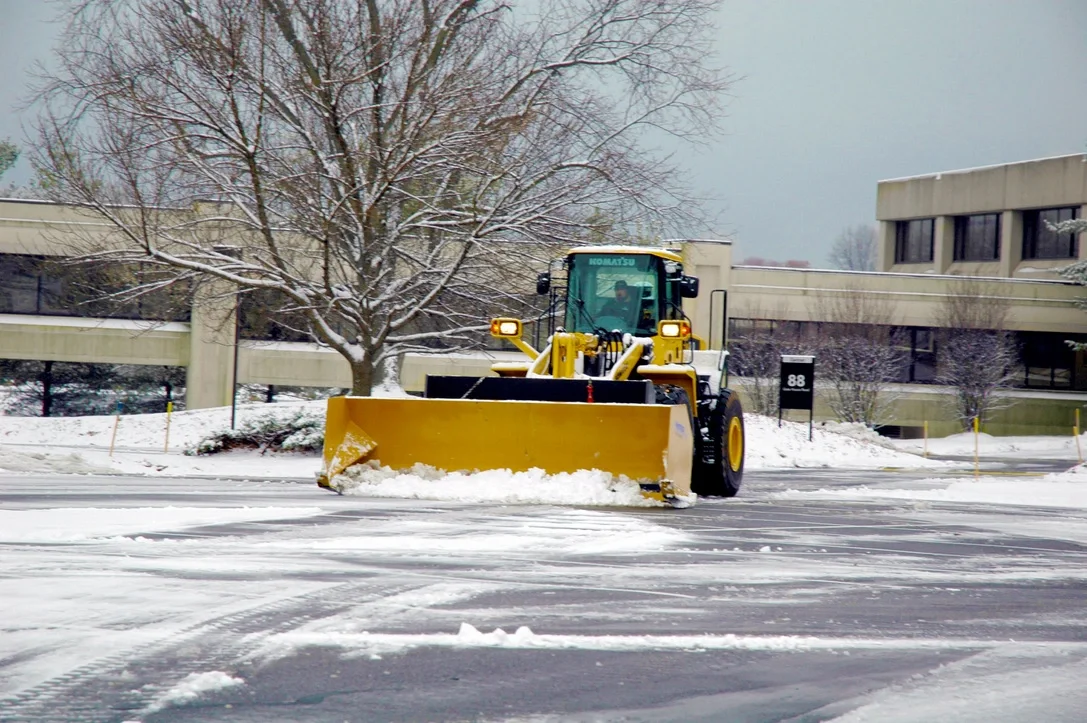
Commercial winter care covers more than pushing snow to the side. Snow removal service in Annapolis, MD, is built around clearing and managing surfaces so snow and ice do not become a long-term problem.
· Plowing of parking lots, drive lanes, and loading areas
· Clearing walkways, entrances, and access points
· Ice control for high-traffic zones and shaded surfaces
· Post-storm cleanup to remove packed snow and slush
These steps help prevent refreezing, blocked access, and unsafe conditions that can lead to complaints or liability concerns.
How snow removal for business Properties Is Handled
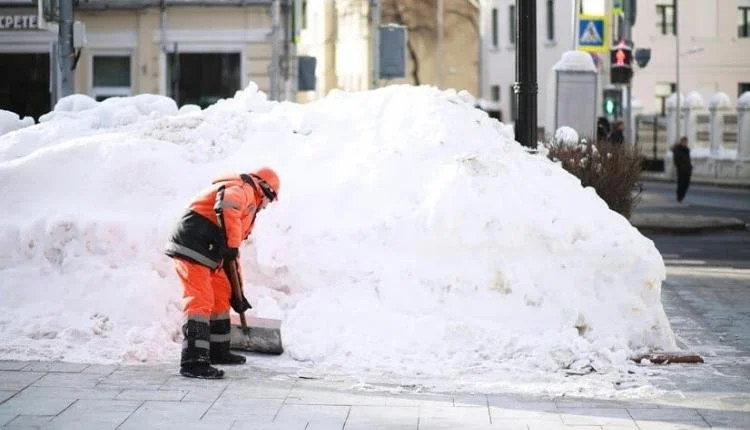
Commercial sites require timing and coordination that match how the property is used. Snow removal for business properties is scheduled around opening hours, deliveries, and staff arrival times so clearing work does not interfere with daily operations.
Crews are dispatched based on snowfall levels and site priority, allowing lots and walkways to be treated before customers and employees arrive. This keeps surfaces safer and helps avoid the buildup that makes clearing more difficult later in the day.
Support for Parking Areas, Walkways, and Entry Points
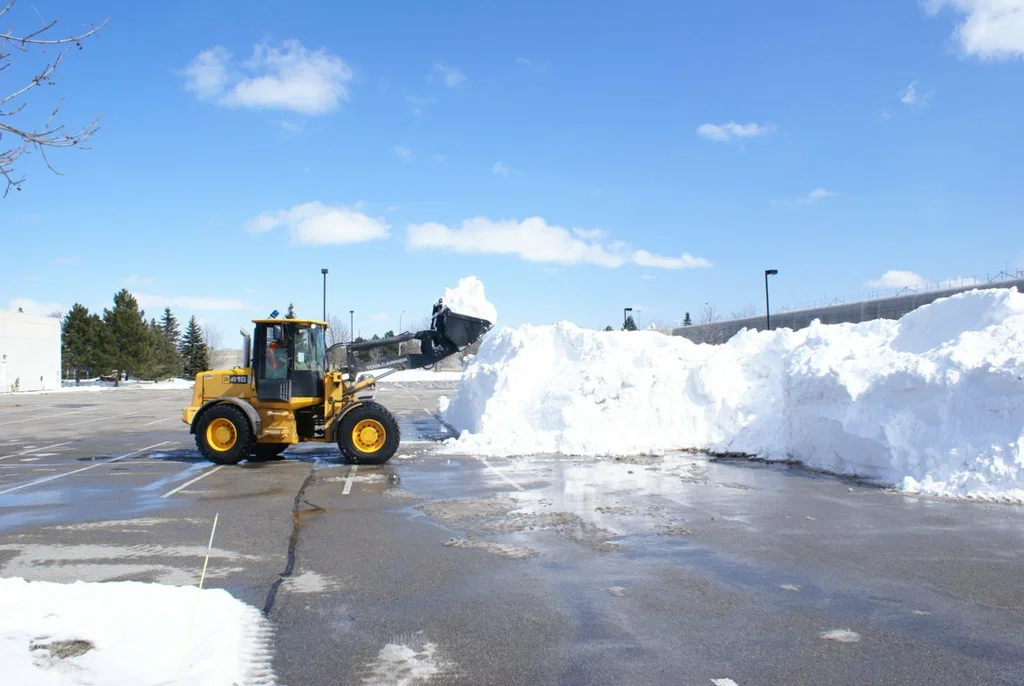
Parking lots and building entrances are often the first areas to become unsafe when snow and ice are left untreated. Laser Cut Outdoors plans service routes so these areas are addressed first, reducing the risk of slips, blocked parking, or delayed access.
This approach allows a commercial property snow maintenance plan to keep business locations usable through changing winter conditions rather than reacting after problems appear.
Seasonal Planning and On-Call Response

Some properties need coverage through the entire winter, while others require service only during active storms. A commercial property snow maintenance plan can include seasonal contracts or event-based dispatching, depending on how the site operates.
Seasonal planning helps ensure crews, equipment, and materials are ready when snow is in the forecast. On-call response allows properties to request service when sudden weather changes create hazardous conditions.
Communication and Site Coordination
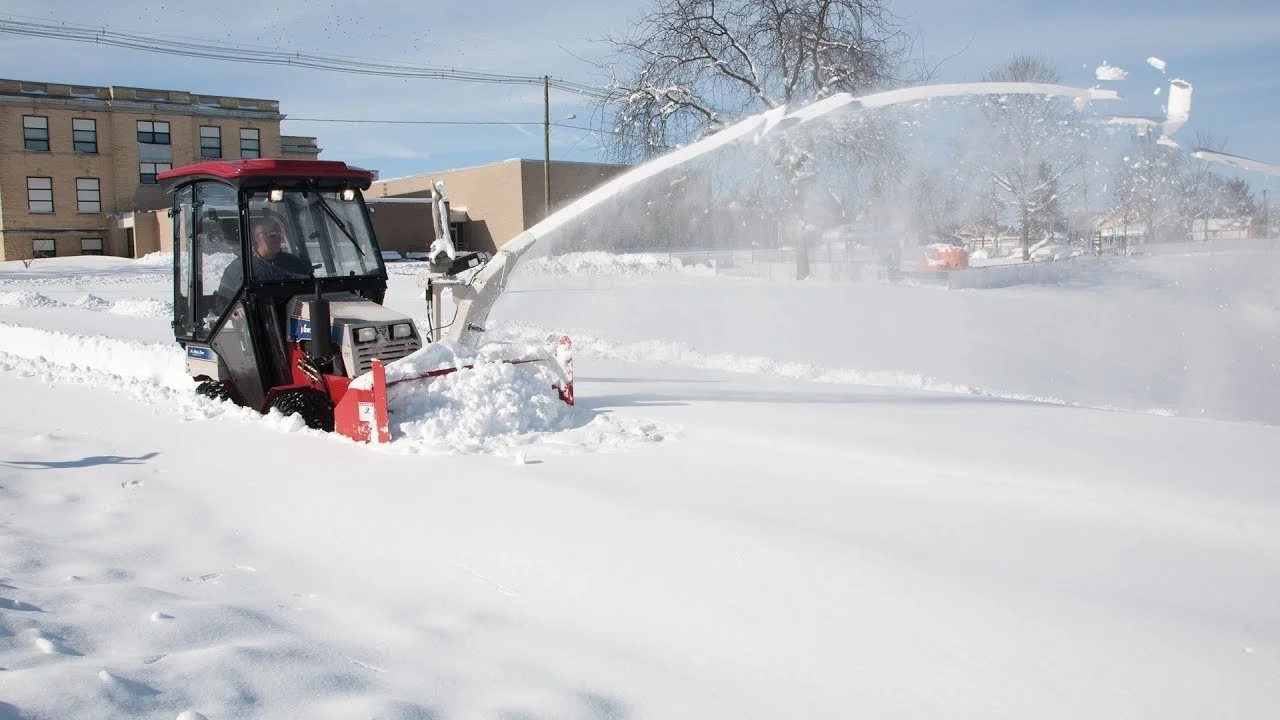
Laser Cut Outdoors keeps winter operations organized through site mapping, service timing, and clear communication with property managers. This structure allows work to be performed quickly without confusion about where to plow, where to pile snow, or which areas need ice control.
For snow removal in Annapolis, MD, this means fewer missed areas, better surface control, and a smoother winter season for commercial properties.
Frequently Asked Questions
-
Plowing of parking areas, clearing of walkways and entrances, ice control, and post-storm cleanup to keep the site usable.
-
Blocked access, slip hazards, customer complaints, and liability risks can increase when snow and ice are left untreated.
-
Yes. Many sites are serviced before opening, so employees and customers arrive at clear, safe surfaces
-
Seasonal and per-event options are available based on how the property operates and how much coverage is needed.
-
Pricing depends on lot size, access points, service level, and whether coverage is seasonal or per storm.
-
Scheduled routes and trigger-based dispatching help ensure sites are treated when snowfall reaches set levels, keeping conditions under control