
Property Drainage With landscape drainage in Annapolis
Water that has nowhere to go will always find the lowest point. In many Annapolis yards, that means puddles near patios, soggy lawn areas, and runoff pushing soil where it does not belong. Laser Cut Outdoors plans landscape drainage in Annapolis around how water moves across each property, so rain flows away instead of soaking into problem areas. This keeps outdoor surfaces firmer, reduces erosion, and protects nearby structures.
Drainage work also helps lawns recover faster after storms. When water is allowed to move out instead of sitting in the soil, grass roots stay healthier, and surfaces do not become soft or uneven.
Identifying Backyard Drainage Problems in Annapolis Before They Spread
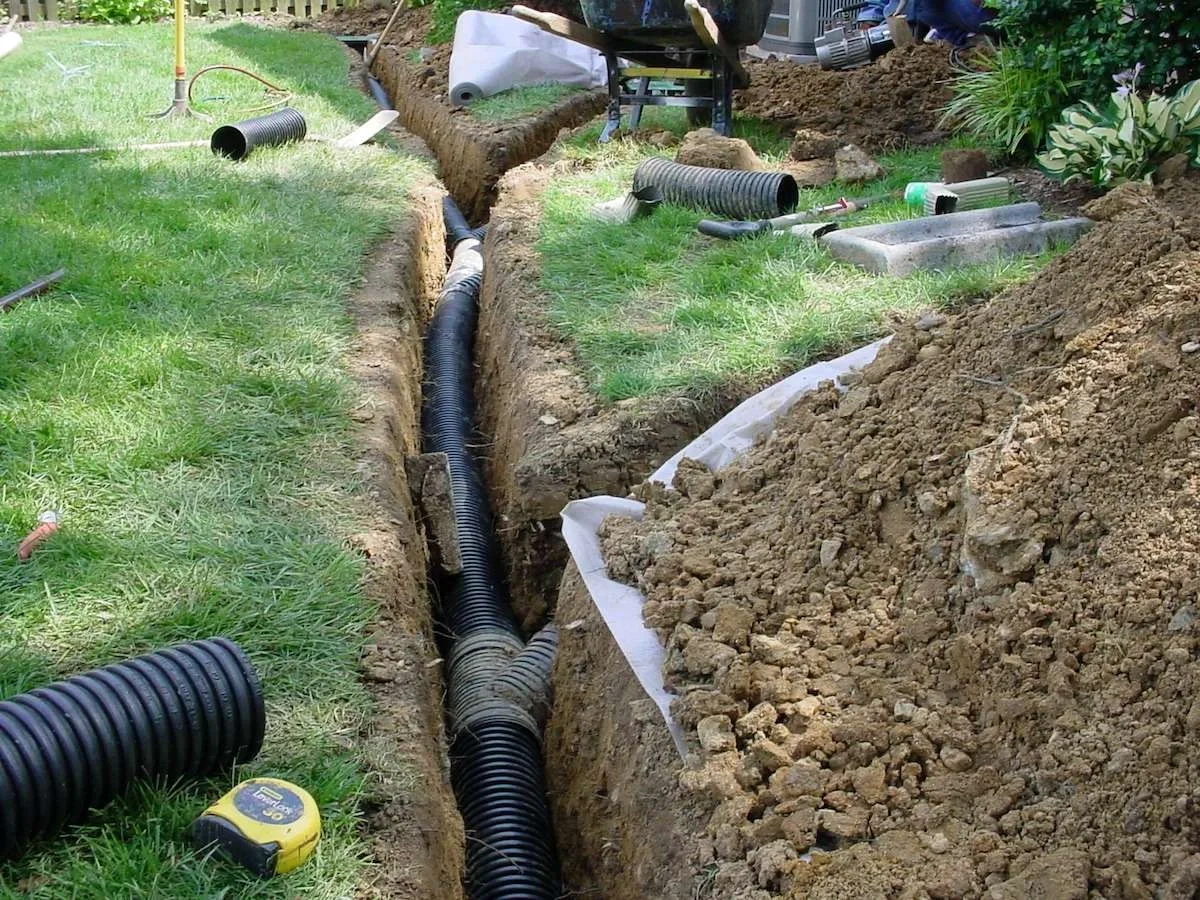
Standing water is only one sign of trouble. Backyard drainage problems in Annapolis often start with subtle changes such as thinning grass, soil washing out near walkways, or damp areas that never fully dry. Over time, these issues can affect patios, steps, and even building foundations.
Laser Cut Outdoors reviews slope, soil type, and how downspouts release water so drainage paths can be corrected before damage grows. Addressing these issues early keeps repairs smaller and less disruptive.
How landscape drainage installation in Annapolis Is Built
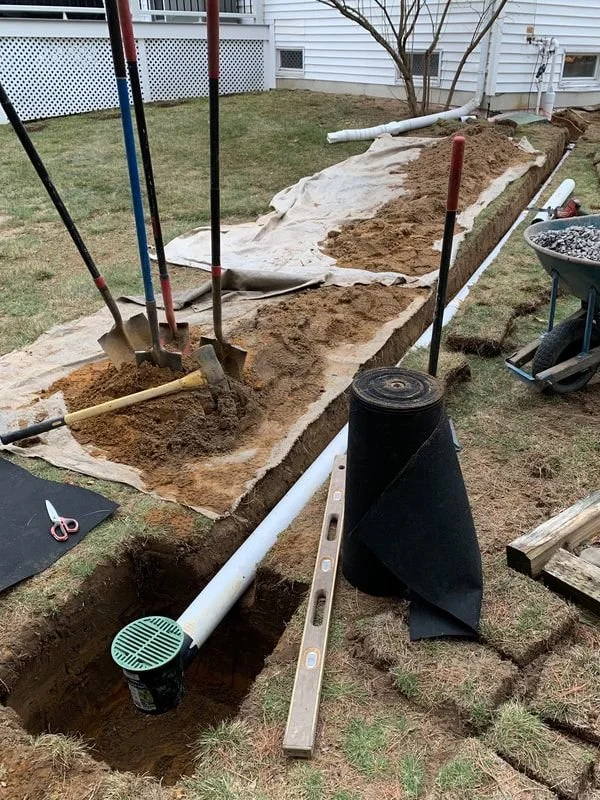
A good drainage system works quietly in the background. Landscape drainage installation in Annapolis includes grading, trenching, and pipe placement that directs water to safe discharge areas.
· Surface grading to guide runoff away from structures
· Drain lines that move water below the surface
· Catch basins for low spots that collect rain
· Discharge points that release water safely off-site
These elements work together to keep water moving instead of collecting in the yard.
Drainage Solutions That Fit the Property
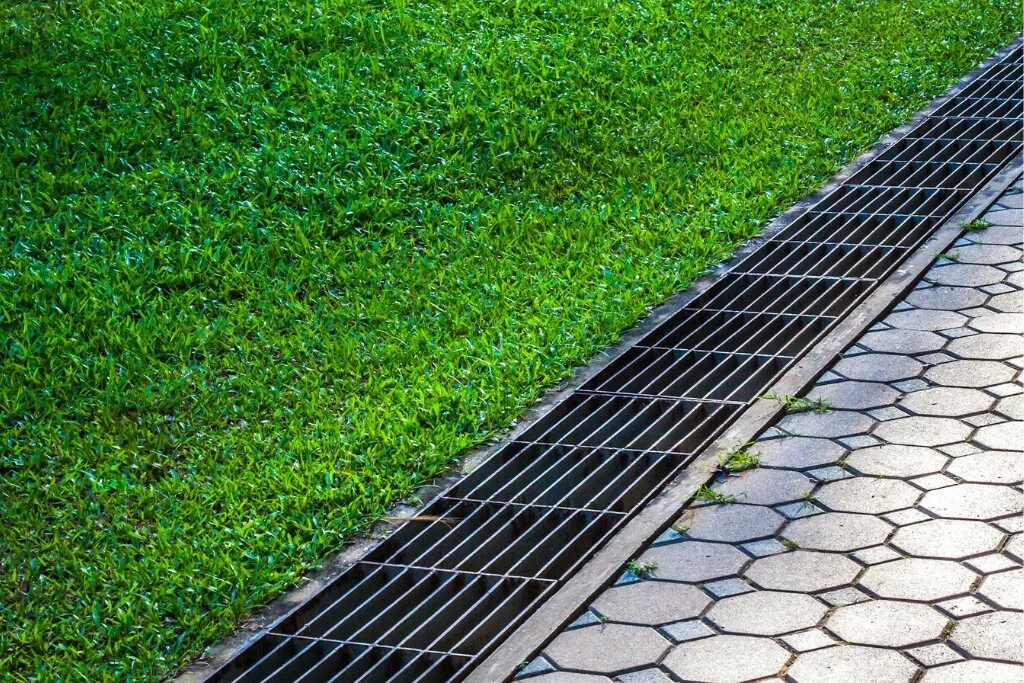
Not every yard needs the same approach. Some require only small corrections, while others need more detailed systems to handle heavy flow. The right setup depends on slope, soil, and how much water the property receives during storms.
Laser Cut Outdoors adjusts each plan, so drainage works with the yard rather than cutting through it in ways that look out of place.
Protecting Lawns, Hardscape, and Foundations
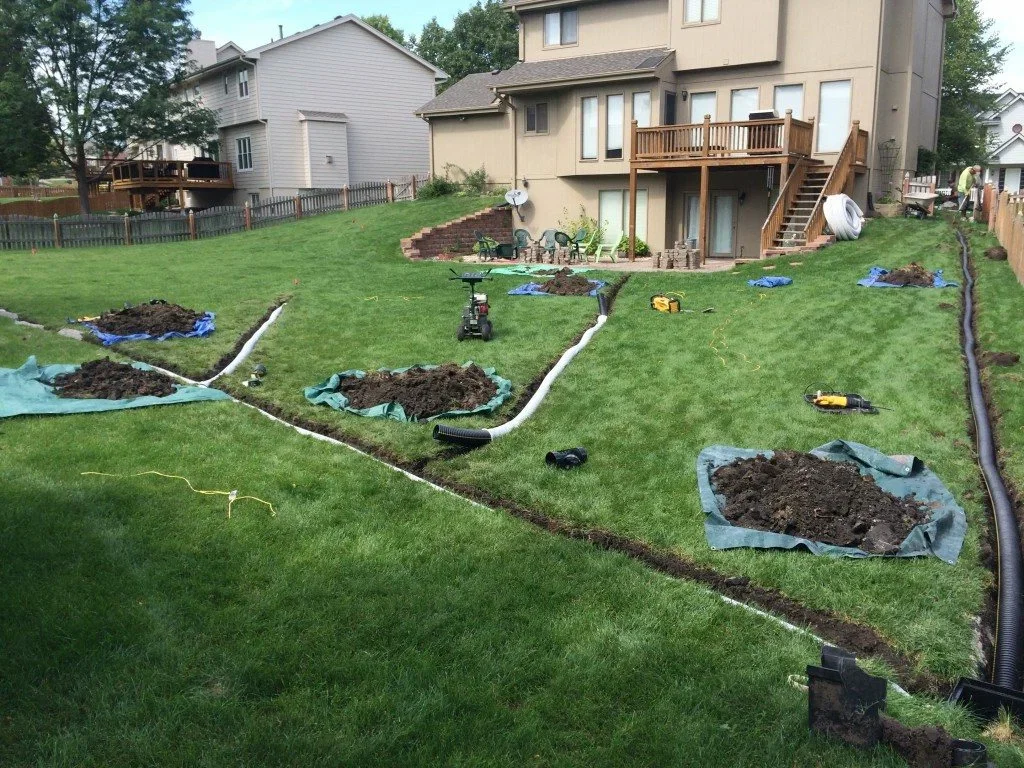
Poor drainage does more than create puddles. It can wash away soil around patios, soften lawn areas, and send moisture toward building foundations. Proper drainage keeps these areas stable and reduces the risk of shifting surfaces or long-term moisture issues.
From Inspection to Finished Site
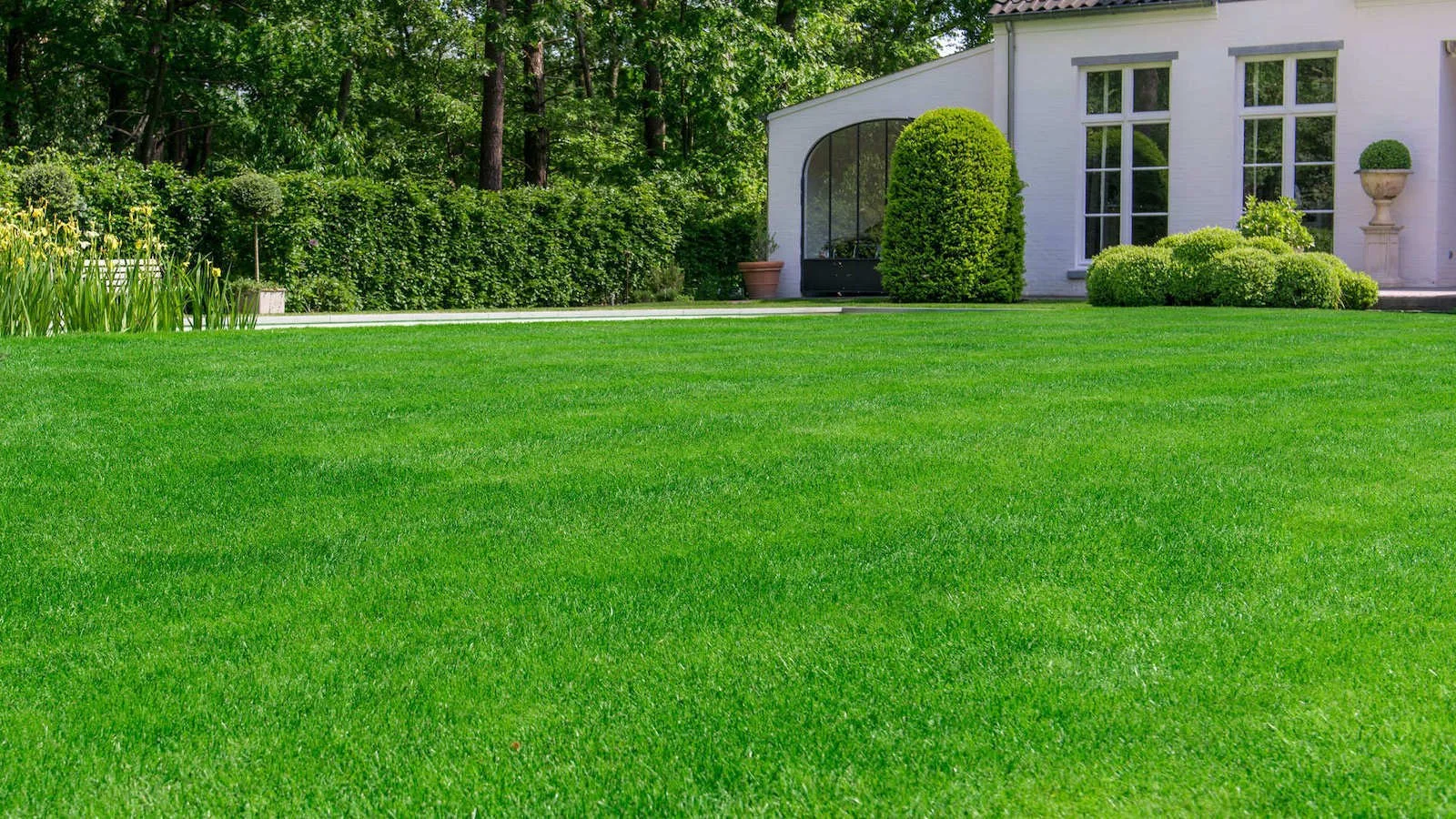
Every project begins with a site review to understand water flow, ground conditions, and where runoff needs to go. After installation, the surface is restored so the yard remains clean and usable, not torn up by the work.
Frequently Asked Questions
-
Flooding usually happens when soil is compacted, low spots collect water, or runoff has no clear path to drain away.
-
Cost depends on yard size, slope, soil type, and how much pipe, grading, and surface work is required.
-
Puddles, muddy spots, thinning grass, erosion, and damp areas that stay wet long after rain are common signs.
-
Yes. Directing water away from the home helps reduce moisture buildup near the foundation.
-
When installed correctly and maintained, drainage systems can provide long-term control of water flow.
-
Look for proper site evaluation, clear drainage planning, and installation methods that address both surface and underground water movement.