
Stable Ground and Clean Grade Changes with Retaining Wall in Annapolis
A retaining wall does more than hold soil in place. It can correct slope problems, create usable space, and prevent washouts that damage lawns, patios, and planting beds. Laser Cut Outdoors builds retaining walls in Annapolis projects with careful planning around drainage, soil pressure, and long-term stability so the wall does not bow, lean, or fail after heavy rain.
Many properties in this area deal with runoff moving downhill toward patios, steps, or foundations. A properly built wall helps control that movement while giving the yard a cleaner shape and more defined outdoor sections
Planning and Structural Work From Retaining Walls Contractors in Annapolis
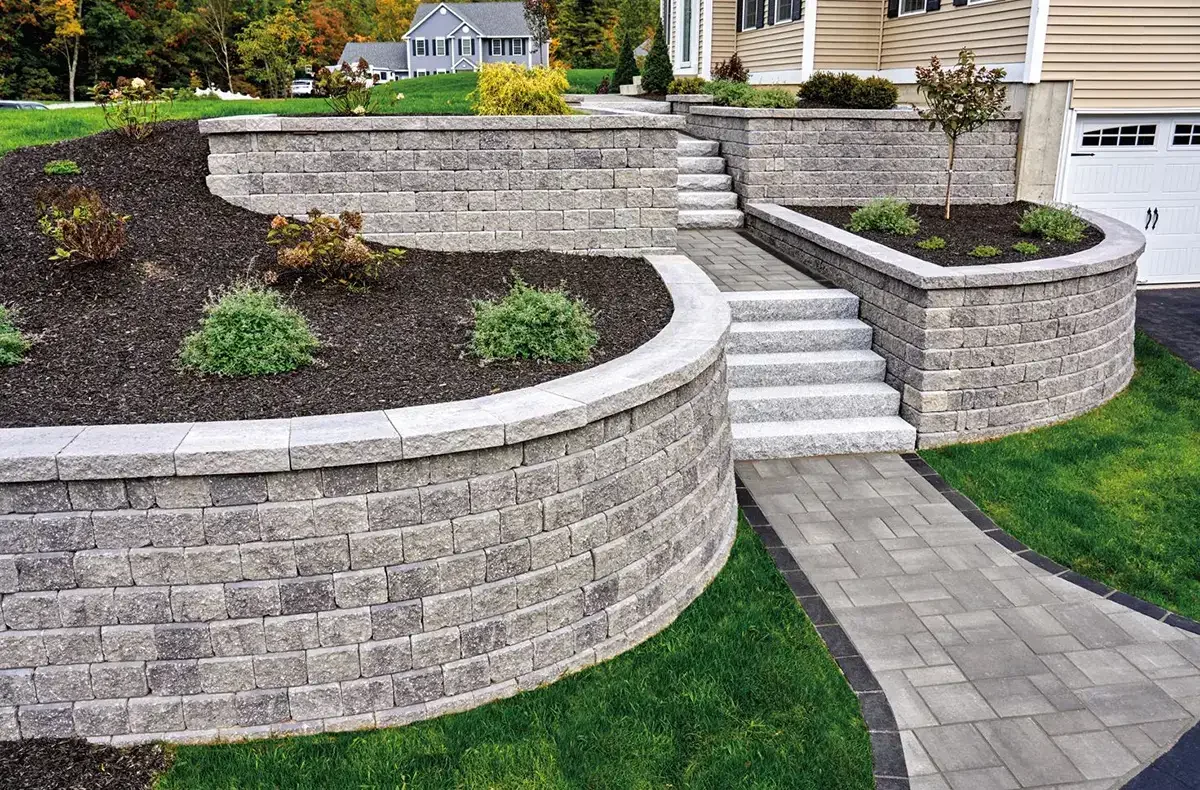
A wall needs the right base, the right materials, and the right drainage behind it. Retaining Walls Contractors in Annapolis focus on excavation depth, compacted base layers, and proper backfill so the structure stays steady through seasonal ground movement.
Laser Cut Outdoors also plans for how water will escape behind the wall. Without drainage, pressure builds up, and walls can shift over time. That is why drainage control is treated as part of the build, not an add-on.
How Retaining Wall Installation in Annapolis Is Built to Last
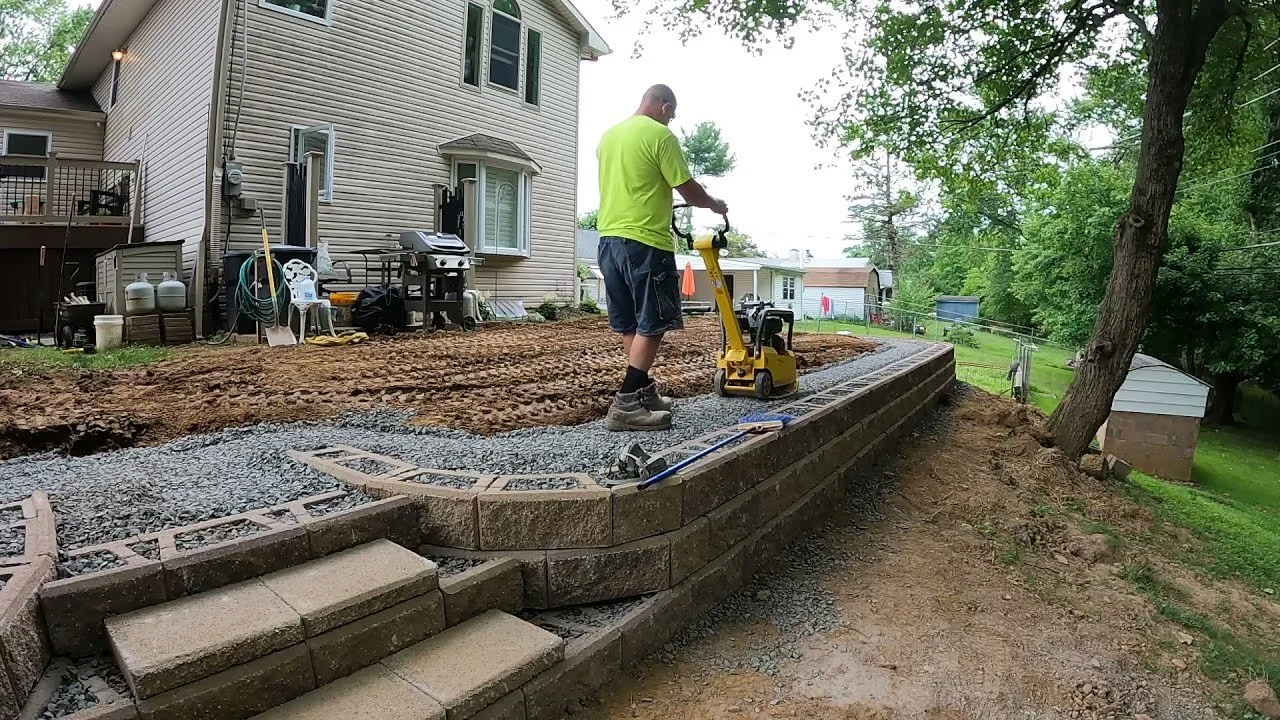
Walls that move or crack usually fail because of shortcuts beneath the surface. Retaining wall installation in Annapolis is handled with steps that support long-term strength and cleaner performance during storms.
· Excavation and base prep were designed for the wall height and soil conditions
· Compacted aggregate layers to prevent settling
· Drainage and backfill planning to reduce water pressure
· Clean the cap and finish work to keep the wall looking sharp
These build steps help prevent leaning, separation, and soil loss along the wall line.
Where Retaining Walls Help the Most
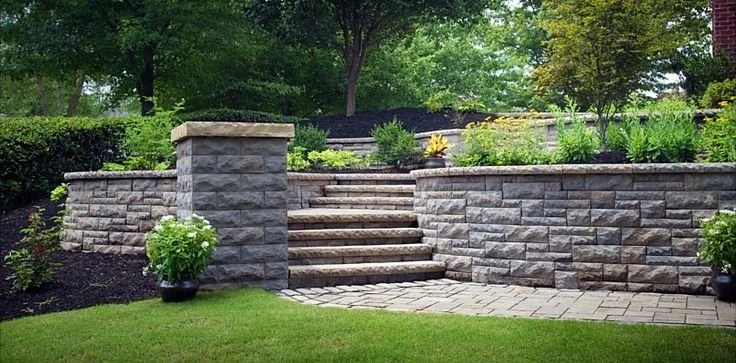
Retaining walls work well for properties with slopes, runoff problems, and areas where soil keeps washing into the yard. They can also help create flat sections for seating areas, walkways, and planting zones. In many yards, adding a wall also improves how mowing and maintenance are done, since the lawn edges become cleaner and easier to manage.
Material Options and Layout Fit
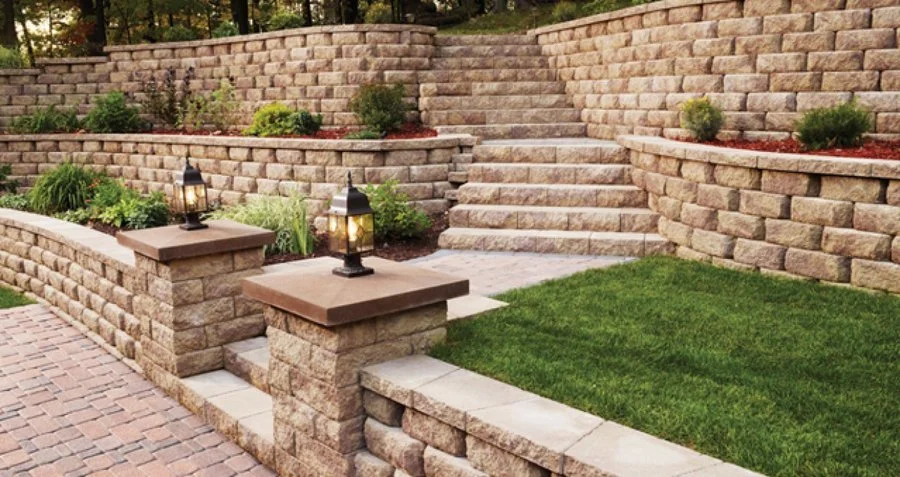
Wall design depends on the height needed, how the yard drains, and what the finished area should look like. Some walls are built as single-level grade control, while others are used in tiered layouts to manage larger slopes. The goal is to keep the yard stable while giving the property a clean, structured look that fits the surrounding landscape.
From Site Review to Final Cleanup
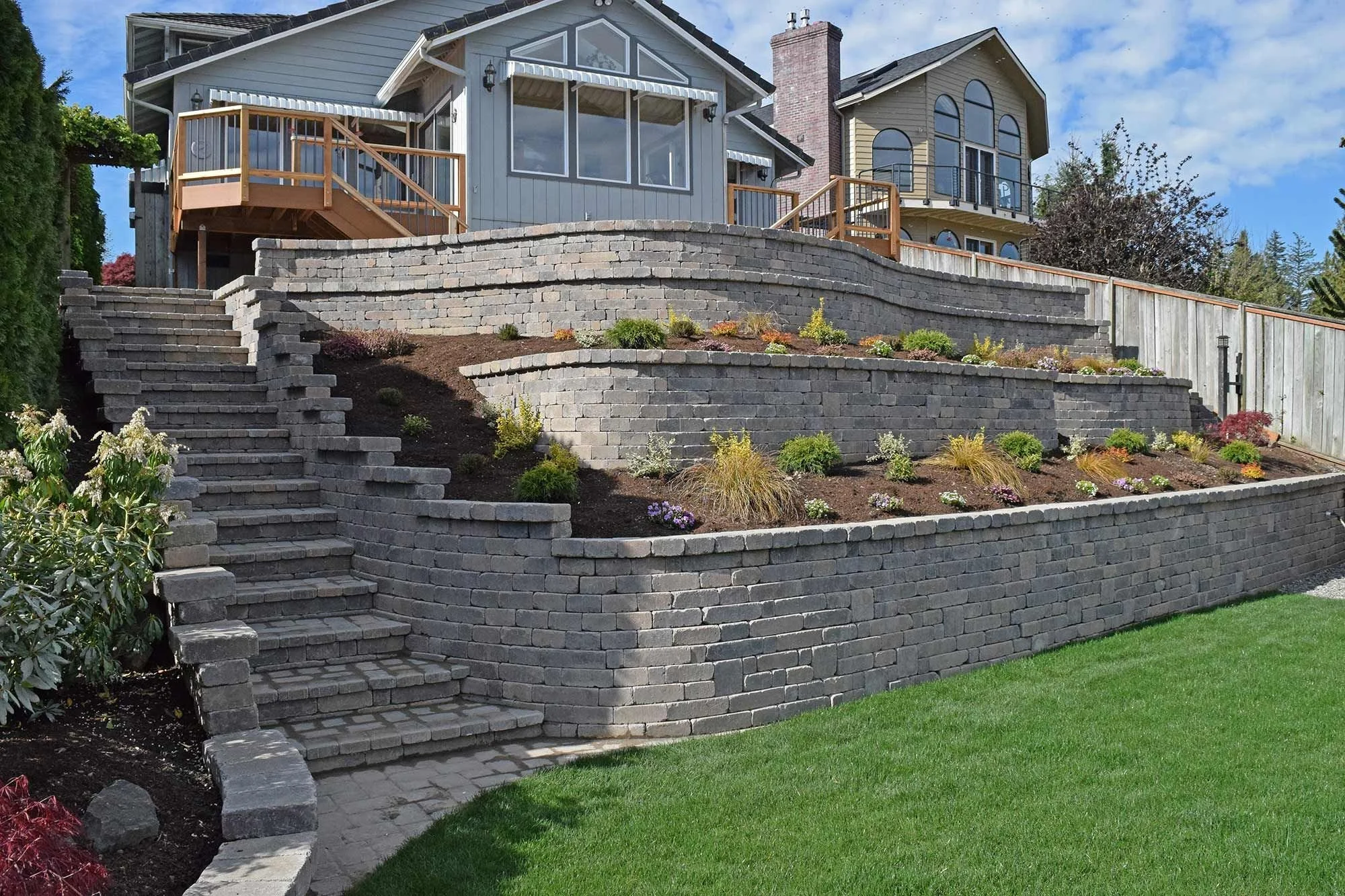
Laser Cut Outdoors begins with a site review to understand slope, water flow, and soil behavior. From there, wall placement and height are planned, then excavation and installation follow with attention to drainage. After the build, cleanup is handled so the surrounding lawn and bed areas are left neat and ready for use.
Frequently Asked Questions
-
Cost depends on wall height, length, access to the site, material type, and drainage needs behind the wall.
-
A properly built wall can last for many years, especially when base prep and drainage are handled correctly.
-
Yes. Walls hold soil in place and reduce washouts, especially on slopes where runoff moves soil downhill.
-
Look for proper base preparation, drainage planning, and clear build steps that prevent leaning or bowing over time.
-
Yes. Retaining walls are often built specifically for sloped and uneven areas to create stable grade control.
-
Timing depends on wall size and site conditions. Many projects take a few days, while larger or more complex walls take longer.