
Deck Installation Annapolis: What Separates a Deck That Lasts 20 Years From One That Doesn't
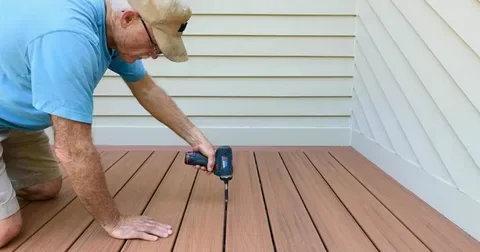
A new deck looks identical on install day whether it's engineered to last two decades or destined to sag within a few winters. The real difference lives underneath, in footing depth, ledger attachment, and hardware choices nobody ever sees once the decking boards go down. Homeowners requesting quotes for deck installation in Annapolis usually spend their attention comparing board colors and railing styles, when the structural decisions made before any lumber arrives are what actually decide whether the deck survives two decades of Maryland winters or needs a rebuild well before then.
The Footing Depth Decision Nobody Sees Coming
Every deck rests on footings buried below grade, and how deep those footings go determines whether the structure stays put once the ground freezes and shifts. A footing poured a few inches too shallow can perform perfectly fine through a mild winter and still heave noticeably once frost works its way deeper into the soil during a harsher season.
Annapolis deck builders who track the region's actual frost depth, rather than relying on a generic minimum pulled from a national code table, are the ones setting footings that hold their position year after year.
Where the Ledger Board Quietly Fails
The ledger board is the beam that bolts the deck directly to the house, and it carries more structural load than almost any other single component in the build.
Deck installers in Annapolis who treat ledger flashing as a critical step rather than a formality are protecting the house as much as the deck, since a failure at this connection point eventually threatens the structure it's attached to.
What a Longer Build Timeline Usually Signals
A contractor who takes noticeably longer than competitors to schedule and complete a deck build isn't necessarily inefficient. In many cases, that extra time reflects proper curing periods for concrete footings, more careful ledger flashing work, and inspections built into the schedule rather than skipped to hit a faster completion date.
Annapolis deck builders with a reputation for durable work tend to build in this extra time deliberately, since rushing footing cure times or skipping a mid-build inspection are two of the easiest ways to compromise a structure that otherwise looks finished and solid on the surface.
The Local Knowledge That Doesn't Show Up on an Estimate
Deck installation in Annapolis planned around this area's specific soil drainage and humidity patterns behaves differently than a build following a generic national spec sheet. Properties closer to the water table often need different footing approaches than properties several miles inland, a distinction that only comes from having built extensively across the specific neighborhoods in question.
Deck installers in Annapolis who've handled projects across a wide range of local lots tend to catch site-specific issues, like poor drainage near a foundation or unusually soft soil, before they become expensive problems mid-construction rather than after.
A Few Direct Questions Worth Asking Before Signing
A homeowner doesn't need construction experience to have a useful conversation about structural planning before work begins. Asking what footing depth is planned, how the ledger connection will be sealed, and whether an inspection is included in the scope of work tends to reveal, almost immediately, whether a contractor is planning for twenty years or simply for the final walkthrough. Deck installation in Annapolis that starts with clear, specific answers to these questions is far more likely to actually deliver on that twenty-year expectation.
What a Deck Built to Last Actually Looks Like From the Start
A deck that's still solid after twenty years was never really about the finish. Laser Cut Outdoors sets footings to the correct frost depth for the specific site, flashes every ledger connection properly, and frames each build with hardware rated to handle real exposure, not just a showroom appearance. The same deck installers in Annapolis who handle the structural planning also manage the long-term care afterward, so nothing about the original engineering gets lost once the project moves into years of regular use.
FAQs
Q: How deep do deck footings need to be in Annapolis?
A: Footings need to sit below the local frost line, which varies depending on soil type and specific site conditions.
Q: Is composite decking worth the extra cost over pressure-treated wood?
A: Composite generally requires less ongoing maintenance and holds its appearance longer than pressure-treated wood.
Q: What's the most common reason a deck starts feeling unstable over time?
A: A poorly flashed or under-fastened ledger board connection, where the deck attaches to the house, is one of the most frequent causes.
Q: How long should a properly built deck last before needing major repairs?
A: A deck built with correct footing depth, proper framing, and quality hardware can reasonably last two decades or more. Routine maintenance.
Q: Can an existing deck be inspected to check if it was built correctly?
A: Yes, a structural inspection can evaluate footing depth, ledger attachment, and hardware condition to identify underlying issues.