
Paver Patio Contractor Bowie MD: Why the Base Matters More Than the Pavers You Pick
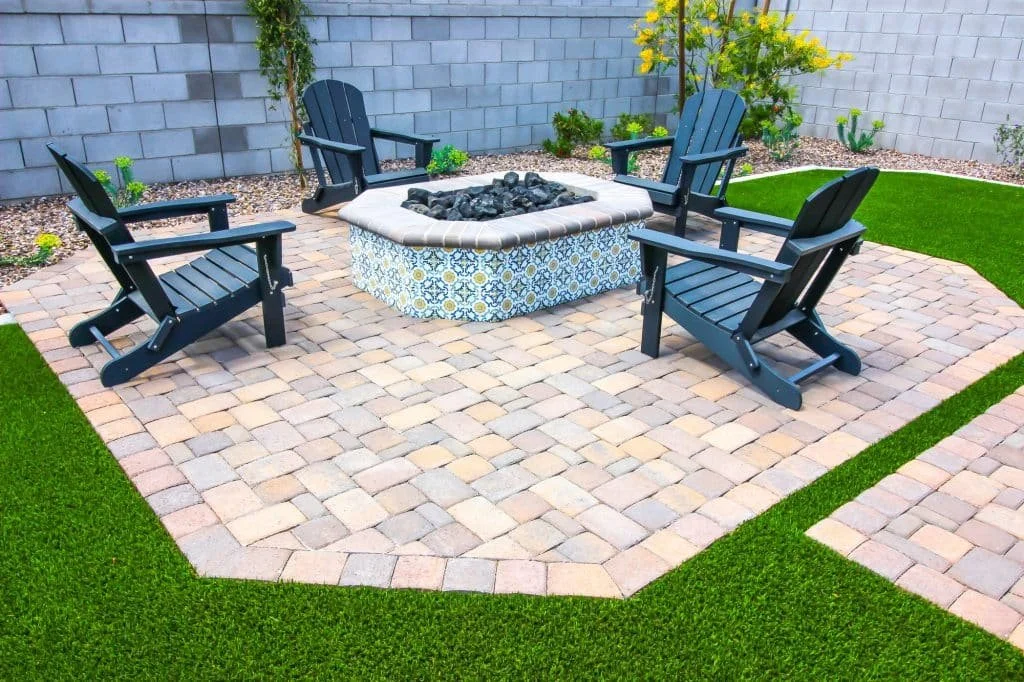
Homeowners planning a new patio typically spend the bulk of their decision-making time selecting paver color, shape, and pattern, when the material sitting beneath the surface is actually what determines whether that patio holds up for decades or starts cracking within just a few seasons. A paver patio contractor in Bowie who prioritizes the base gets that critical decision right well before pavers are ever chosen from a catalog.
Two Identical-Looking Patios, Two Very Different Outcomes
Premium pavers installed over a poorly compacted base will crack, shift, and settle at roughly the same rate as budget pavers installed the exact same careless way, since it's the base material underneath that actually bears structural load and manages water movement, not the surface material sitting visibly on top of it.
A patio builder in Bowie, MD who explains base depth and staged compaction methods before ever discussing paver options at all is generally the kind of contractor building patios that genuinely survive repeated freeze-thaw cycles without heaving or settling unevenly a season or two later.
What Happens Underground Determines What Happens on the Surface
Proper compaction happens gradually, in distinct layers, with each individual layer mechanically compacted on its own rather than the entire base depth compacted all at once in a single rushed pass. That layered approach leaves the finished base considerably more stable and far more resistant to uneven settling once real weather starts working against it.
Trapped Water Is the Enemy of Every Paver Installation
Water that becomes trapped beneath a patio, rather than draining cleanly through the base material itself, is one of the leading causes of heaving during winter freeze cycles, since trapped water physically expands as it freezes and pushes individual pavers unevenly out of alignment as a result.
A paver patio contractor in Bowie who grades the base correctly and selects appropriately sized aggregate for the specific site avoids this problem almost entirely, keeping water actively moving through the system rather than allowing it to pool dangerously beneath the finished surface.
The Border Detail That Determines Whether Pavers Stay in Place
Properly installed edge restraints keep an entire paver field locked firmly in place under nothing more than ordinary foot traffic and normal seasonal ground movement, preventing the slow, gradual spreading that eventually shows up years later on patios where this particular detail was quietly skipped during installation. A patio builder in Bowie, MD who includes edge restraints as standard practice on every job, rather than an optional add-on, is protecting the patio's long-term shape just as deliberately as the base compaction underneath it.
A Conversation That Reveals How a Contractor Actually Builds
The most reliable way to judge a contractor before any work begins is simply to ask about the parts of the job nobody actually sees once the project is finished. A contractor willing to walk through base depth, compaction method, drainage planning, and warranty coverage for settling, without hesitation or vague answers, is typically the one whose patios are still perfectly level years down the road.
What's Underneath Determines Everything That Happens on Top
A patio's finish naturally gets all the visible attention, but its actual durability comes almost entirely from what's built underneath before the very first paver is ever set into place. Laser Cut Outdoors compacts every base in proper staged layers, grades deliberately for drainage, and installs edge restraints designed to hold the entire system together for years rather than seasons. A paver patio contractor in Bowie approaching every project this way treats the invisible base as the actual foundation of the work, because that's genuinely what it is.
FAQs
Q: Does paver quality still matter if the base is built correctly?
A: Paver quality does affect appearance, color retention, and general wear resistance over time.
Q: How can a homeowner verify a base was compacted properly?
A: It's genuinely difficult to verify base quality once a patio is already finished and installed.
Q: What typically causes pavers to gradually shift apart over time?
A: Missing or improperly installed edge restraints are one of the most common causes of this kind of movement.
Q: How does drainage planning affect long-term durability?
A: Water trapped beneath the surface expands as it freezes, which pushes pavers unevenly out of position over time.
Q: Is it possible to repair a heaving patio without full replacement?
A: In many cases, yes, since the affected pavers can be removed, the base corrected underneath, and the same pa