
Paver Patio Contractors Annapolis: The Base Layer Mistake That Cracks a Patio Within Two Winters
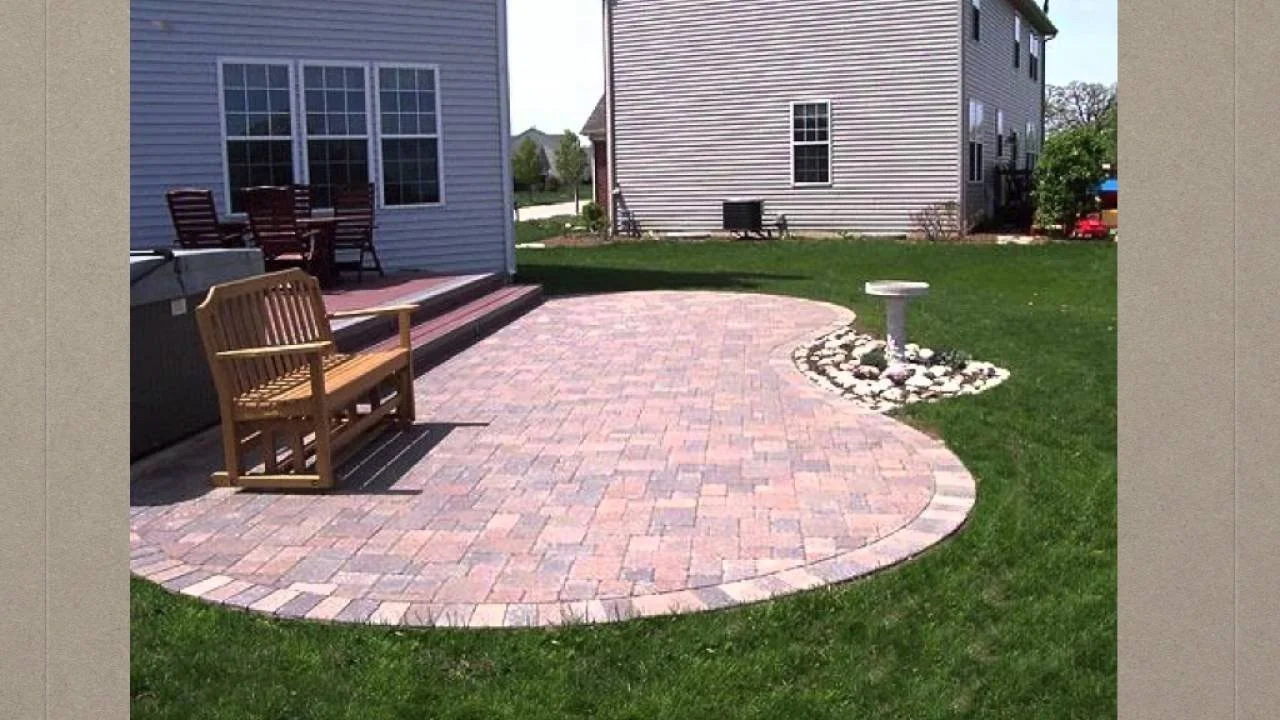
A cracked or sunken paver patio almost never fails because the pavers themselves were poor quality. It fails because of what sits underneath them, several compacted inches of gravel base that either got built correctly or didn't. Homeowners comparing paver patio contractors in Annapolis tend to evaluate paver color, pattern, and price per square foot, while the base preparation happening before a single paver is ever set is what actually decides whether that patio is still level in two winters or already cracking and sinking.
The Compaction Step Most Estimates Never Mention
A properly built paver base isn't a single layer of gravel dumped in and rolled flat. It's built in stages, several inches at a time, with each layer mechanically compacted before the next one goes down, since compacting the full depth at once leaves hidden voids that settle unevenly once the ground freezes and thaws.
A patio contractor in Annapolis, MD who explains this staged compaction process before ever pulling out a paver catalog is generally signaling that the finished surface will actually hold up, since skipping this step is invisible on installation day and only becomes obvious once winter arrives for the first time.
How Two Winters of Freeze and Thaw Expose a Rushed Base
Water that seeps into an improperly compacted base has nowhere to go but up as it freezes and expands, pushing individual pavers unevenly out of alignment. By the second winter, that repeated freeze-thaw cycle typically produces the visible cracks, gaps, and sunken sections that a properly compacted base would have prevented from the start.
Signs a Patio's Foundation Was Never Built to Last
A homeowner doesn't need to dig up a patio to know the base underneath is failing. A handful of visible signs tend to show up well before the damage becomes severe enough to require a full rebuild.
· Individual pavers that rock or sink noticeably when stepped on, rather than sitting flush and stable against their neighbors.
· Widening gaps along the patio's edges where the border pavers have started drifting away from the field.
· Water pooling in the same low spot after nearly every rainfall instead of draining evenly across the surface.
· Visible dips or wave-like unevenness across sections of the patio that weren't part of the original design.
Paver patio contractors in Annapolis who inspect an existing patio showing these signs can usually determine within a short visit whether the fix is a surface-level repair or a full base rebuild, and that distinction matters significantly for both cost and timeline.
Why the Pavers Themselves Rarely Deserve the Blame
Homeowners frequently assume a cracked or shifting patio means they chose an inferior paver product, when in the overwhelming majority of cases the pavers performed exactly as expected and the base beneath them is what actually failed. Working with a patio contractor in Annapolis, MD who walks a homeowner through compaction depth, drainage planning, and edge restraint installation before discussing paver selection at all is usually a reliable sign that the base won't be the reason the project needs revisiting in a few years.
The Edge Restraint Detail That Determines Long-Term Stability
Pavers installed without properly anchored edge restraints will gradually spread apart under nothing more than ordinary foot traffic and seasonal ground movement, even when the base underneath was built exactly right. This particular detail is inexpensive to install correctly and easy for a rushed installer to skip, which makes it one of the more common reasons a patio that seemed fine for the first year or two starts showing gaps later.
Paver patio contractors in Annapolis who treat edge restraints as a standard part of every installation, rather than an optional upgrade, are building patios designed to hold their shape well past the first few seasons of regular use.
Building From the Ground Up, Not Just the Surface Down
Two winters is often all it takes to expose a patio that was rushed underneath the surface, regardless of how good the pavers themselves looked on day one. Laser Cut Outdoors compacts every base in properly staged layers, plans drainage through the material itself rather than around it, and installs edge restraints as standard practice on every project. A patio contractor in Annapolis, MD, approaching the work this way treats the base as the actual foundation of the project.
FAQs
Q: How thick should the gravel base be under a paver patio?
A: Base depth depends on the specific soil type and how the patio will be used, but a properly engineered base is typically several inches deep.
Q: Why do paver patios crack after just a couple of winters?
A: Cracking usually traces back to an improperly compacted base that allows water to collect and expand during repeated freeze-thaw cycles.
Q: Are edge restraints necessary for every paver patio?
A: Yes, without properly installed edge restraints, pavers gradually shift and spread apart under normal foot traffic.
Q: Can a sunken or heaving patio be repaired instead of fully replaced?
A: In many cases, yes, since the affected pavers can be removed, the base corrected underneath, and the same pavers reset on top.
Q: How does soil type affect paver patio installation in Annapolis?
A: Clay-heavy soil common throughout the area retains more water than sandier soil types, which makes proper base drainage especially important.