
Why Some Edgewater Lawns Stay Wet After Rain and What Homeowners Can Do
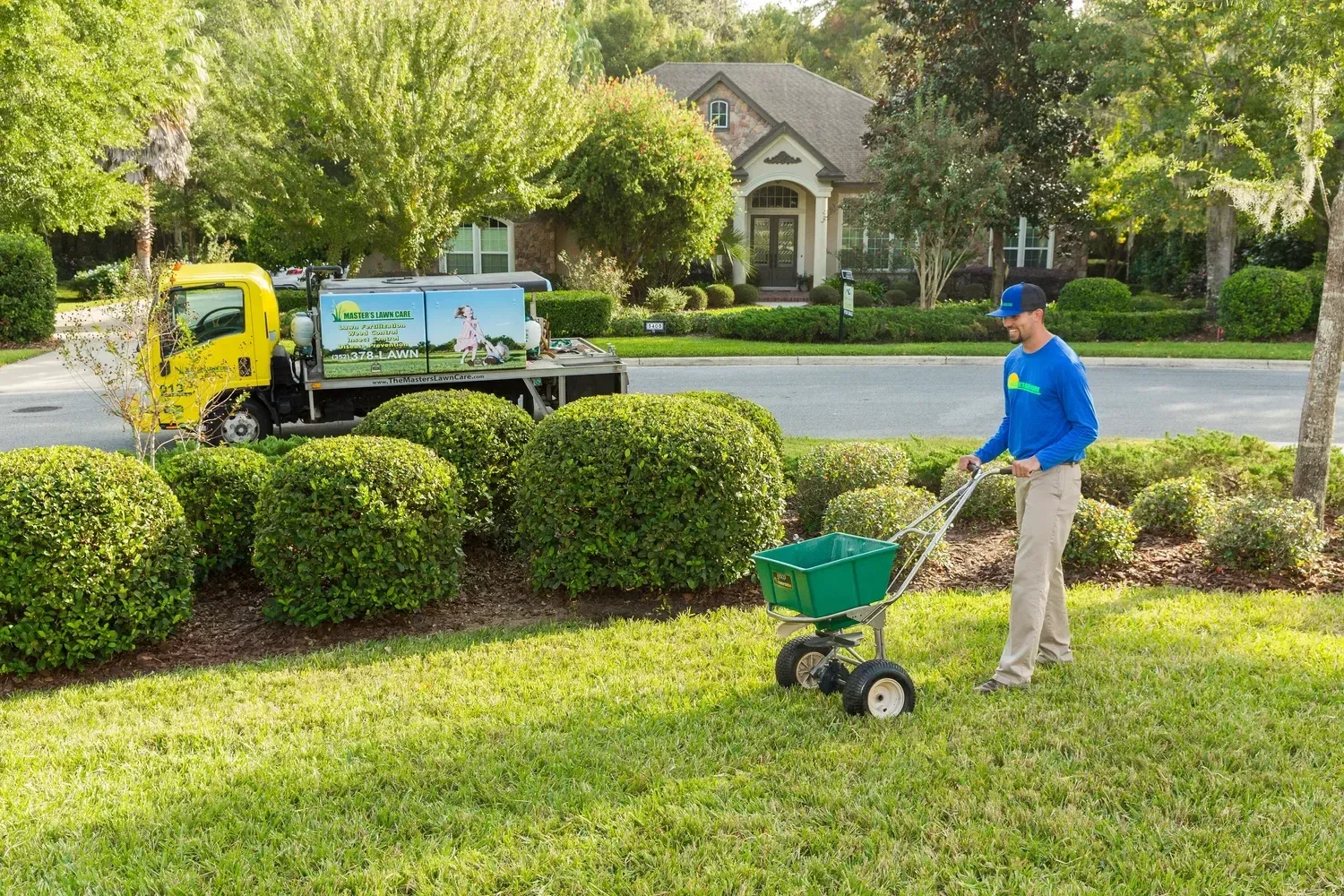
A lawn that stays soggy after storms can weaken grass, complicate mowing, and muddy walkways. When contacting a lawn care company in Edgewater, MD, homeowners should describe where water collects and how long those spots remain wet.
Local slopes, compacted soil, downspouts, and shade can create different conditions within one yard. Identifying patterns helps homeowners choose suitable fixes.
What a Lawn Care Company in Edgewater, MD, Should Check First
After rain, compare damp areas with faster-drying ground. Trace where water enters, collects, and travels toward structures.
The most revealing warning signs include:
· Puddles returning to the same low spots after every storm.
· Water pouring from downspouts directly onto turf.
· Soil washing off slopes or collecting along sidewalks.
· Grass thinning where ground stays soft and shaded.
These clues help a lawn care company in Edgewater, MD, identify recurring trouble.
How a Lawn Care Company in Edgewater, MD, Can Separate Causes
Compaction limits infiltration, poor grading traps runoff, and blocked outlets delay drainage. Assess both water sources and outlets before treating individual puddles.
Adjust Everyday Habits Before Making Major Changes
Check gutters and downspouts, and avoid walking or mowing on saturated ground. Wait until equipment can pass without leaving ruts.
Adding soil without tracing runoff may redirect water toward foundations or neighboring properties. Investigate drainage before changing elevations. If a lawn remains soaked while nearby ground dries quickly, compare soil texture and surface slope. These observations help distinguish a localized depression from a broader runoff issue.
How Professional Lawn Maintenance in Edgewater Supports Wet Turf
Mowing cannot remove trapped water. During rainy periods, professional lawn maintenance in Edgewater should account for soil firmness and safe equipment access. Wet mowing can create ruts that trap more water.
Useful seasonal adjustments include:
· Delay mowing until saturated ground can support equipment.
· Clear leaves and debris from visible surface drainage routes.
· Check low areas for erosion after strong storms.
· Keep foot traffic away from recovering grass.
These steps protect turf while drainage concerns are assessed. Where standing water persists, regular maintenance alone cannot substitute for a site-specific correction. Checking the yard after several storms gives a clearer picture than judging a single rainy day.
Where Professional Lawn Maintenance in Edgewater Meets Drainage Planning
When professional lawn maintenance in Edgewater reveals recurring wet spots, grading, downspout redirection, or drainage installation may be appropriate. Choose solutions based on terrain, soil, and suitable outlets.
Plan Yard Care in Edgewater, MD, Around Water Movement
Rain also affects patios, paths, and planting beds. Avoid putting gathering areas in soggy depressions or directing paving runoff onto previously dry turf.
For yard care in Edgewater, MD, plan improvements in sequence: trace water, correct drainage, restore disturbed ground, and establish an upkeep routine. A sensible order also prevents new planting or freshly laid turf from being disturbed by subsequent excavation.
Keep Yard Care in Edgewater, MD, Practical After Storms
Photograph puddles and record drying times. Such notes help assess improvements. Check drainage paths during seasonal leaf cleanup.
Give Your Lawn a Drier, More Usable Future
Address the wettest spots first, tracing where water travels before choosing repairs. Effective drainage planning makes lawns more usable.
For yard care in Edgewater, MD, Laser Cut Property Services combines routine lawn upkeep with drainage solutions. Contact our team to discuss recurring wet spots and suitable next steps.
FAQs
1. Why is my lawn wet long after rain stops?
Compacted soil, low grading, heavy shade, or poor runoff routes can hold moisture in particular areas.
2. Will mowing more often help dry wet grass?
No. Frequent cutting does not fix drainage, and mowing saturated ground may cause damaging ruts or compaction.
3. Can I fill a puddle with topsoil?
Not without checking where the water will go; filling one depression can move runoff into another problem area.
4. When should I inspect drainage after rainfall?
Check once conditions are safe, then revisit the same areas the following day to compare drying times.
5. Are drainage problems always caused by heavy rain?
No. Downspout placement, grading, compaction, and blocked outlets can create recurring wet areas after moderate storms.